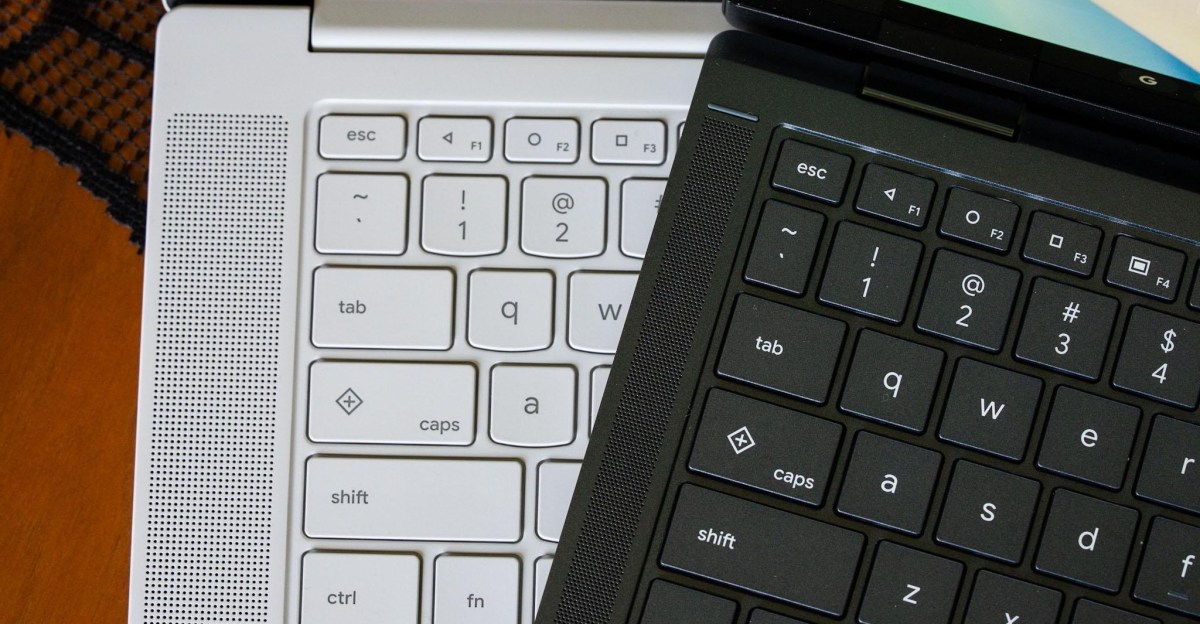
Google's new Googlebooks are bringing back Android's classic physical navigation buttons, but not in the way you might expect. According to The Verge, every Googlebook keyboard now features the old triangle, circle and square icons on the F1, F2 and F3 keys, a direct callback to Android 5.0 Lollipop. These keys replicate the back, home and app switcher functions that millions of Android users remember from before gesture navigation took over.
The move is both nostalgic and practical. While Android phones have largely abandoned physical navigation buttons in favor of gestures, having them on a laptop keyboard offers a reliable fallback when Android apps aren't fully optimized for desktop use. The back button in particular proves useful when navigating apps that expect touch input or don't respond well to mouse controls.
How the Googlebook navigation keys work
On Googlebook OS, the three keys behave exactly as their icons suggest. The left-pointing triangle takes you back, the circle minimizes all open apps to return you to the home screen, and the square displays your open apps in a tiled view similar to Mission Control on macOS or Task View on Windows. This consistency across all Googlebooks means users can rely on the same layout regardless of which model they pick up.
The Verge notes that a second press of the home button doesn't currently restore your apps to their previous positions, a feature called desktop peeking that uses a different keyboard shortcut. Despite this minor limitation, the physical buttons provide a welcome alternative for those who find gesture navigation frustrating on a larger screen.
Google reveals Android app compatibility on Intel Googlebooks
In related news, Android Authority reports that Google has shared new data on how many popular Android apps run on Intel-based Googlebooks. The company revealed details about app compatibility, though the exact figures and which apps were tested remain limited in the public announcement. This transparency comes as Google continues to push its Googlebook platform as a viable alternative to traditional laptops.