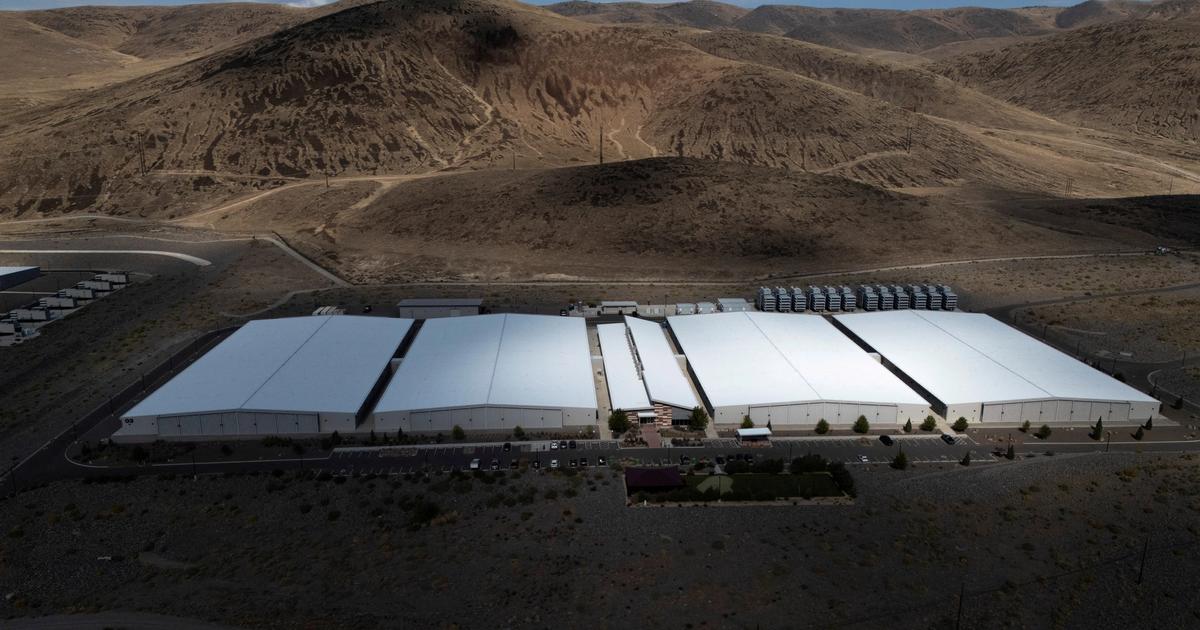
Voters in more than 30 localities across nine states approved moratoriums, outright bans and other restrictions on data centers in Tuesday's US midterms, according to Semafor. Some measures were direct responses to specific projects already under construction.
The results amount to a broad rebuke of the AI buildout, and one that is likely to unsettle investors who were already growing nervous about the pace of spending. Almost a quarter of voters told NBC News that data centers were "crucial" to their vote, while nearly two-thirds said the issue was a major or minor factor, Wired reported.
Data center bans and moratoriums win at the ballot box
The measures passed in states including Florida, Ohio, Texas, Georgia, Kansas, Wisconsin, New York, New Hampshire and South Carolina. In Edgewater, Florida, voters overwhelmingly chose to write a data center ban into the city charter, while Perry, Ohio approved financial and operational limits on hyperscalers seeking tax breaks.
Opposition to data centers also played out in high-profile races. Democrat Sherrod Brown, who spent months calling his opponent "the face of data centers in Ohio," won a Senate seat. In New Hampshire, Democrat Chris Pappas, who will become the nation's first openly gay male senator, drew loud boos from his own crowd when he mentioned his opposition to data centers, even though the state has no large-scale projects under construction.
- Edgewater, Florida: voters overwhelmingly backed embedding a data center ban in the city charter.
- Perry, Ohio: a measure imposing financial and operational constraints on hyperscalers seeking tax breaks passed.
- Ohio: Democrat Sherrod Brown, who called his opponent "the face of data centers in Ohio," flipped a Senate seat.