A new startup called &Truth publicly launched on Thursday with $70 million in seed funding, joining a wave of companies betting that generative AI can finally make formal software verification practical. The technique uses mathematics to prove that code behaves exactly as intended, rather than merely testing it for flaws.
&Truth was founded around research from Stanford computer scientist Chuyue Sun, who joined the company in August. Her work showed that an AI tool could complete an engineering project in under half a day for less than $500, compared with five months of manual work by three highly skilled experts, according to Wired.
What formal verification means for developers
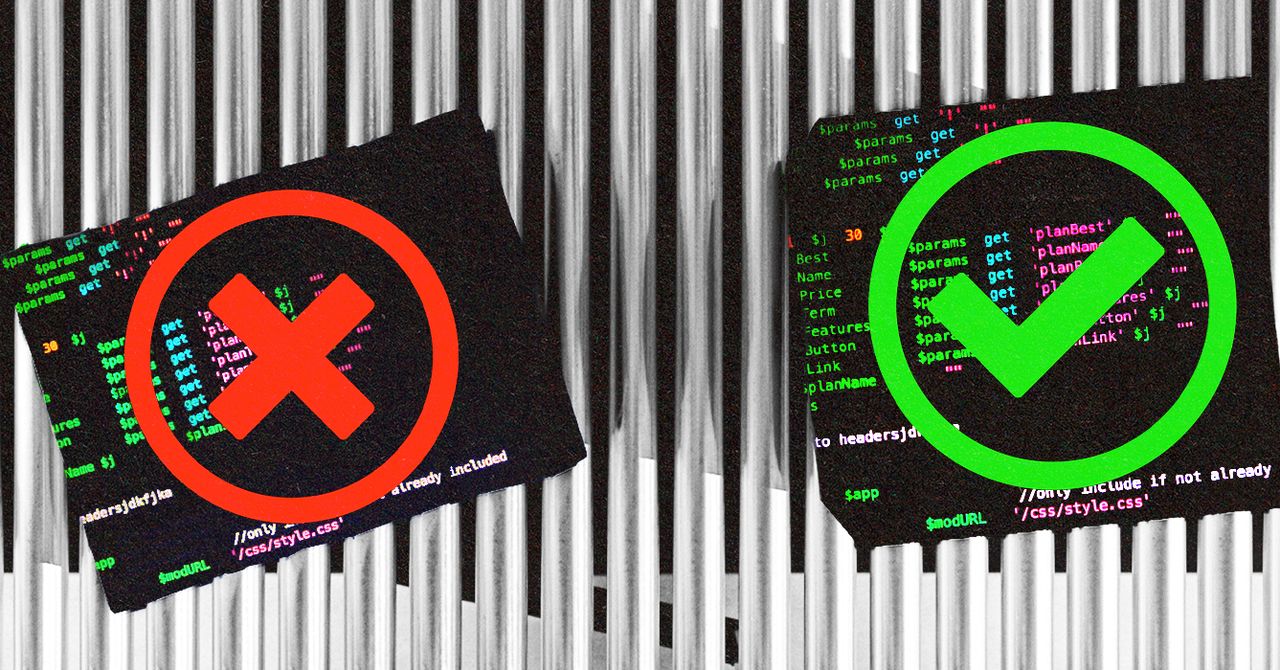
Formal verification asks engineers to write precise statements about what their software should do, then convert the code into formulas that can be checked mathematically. It can catch erratic behavior that ordinary testing misses, but it has long been too slow and expensive for everyday use.
Ilya Sergey, &Truth's chief science officer, compared the approach to engineering in the physical world. Bridges and buildings do not collapse, he said, because people did the math before constructing them. The same reasoning has always been possible for code, he added, but it was difficult to scale.
Rivals and early results in AI-assisted verification
&Truth is not alone. Harmonic, cofounded by Robinhood CEO Vlad Tenev, has raised $295 million and announced this week that its math-focused AI agent Aristotle can verify software written in C and hardware designs in Verilog. Nvidia's venture capital arm is among its investors, and the startup is evaluating the technology with potential users including chipmakers Tensordyne and Nvidia.
Anthropic and the verification startup Theorem also announced last week that they had used AI to help find bugs in open source software that trillions of tests had missed. They introduced a Claude add-on to help developers with verification work.