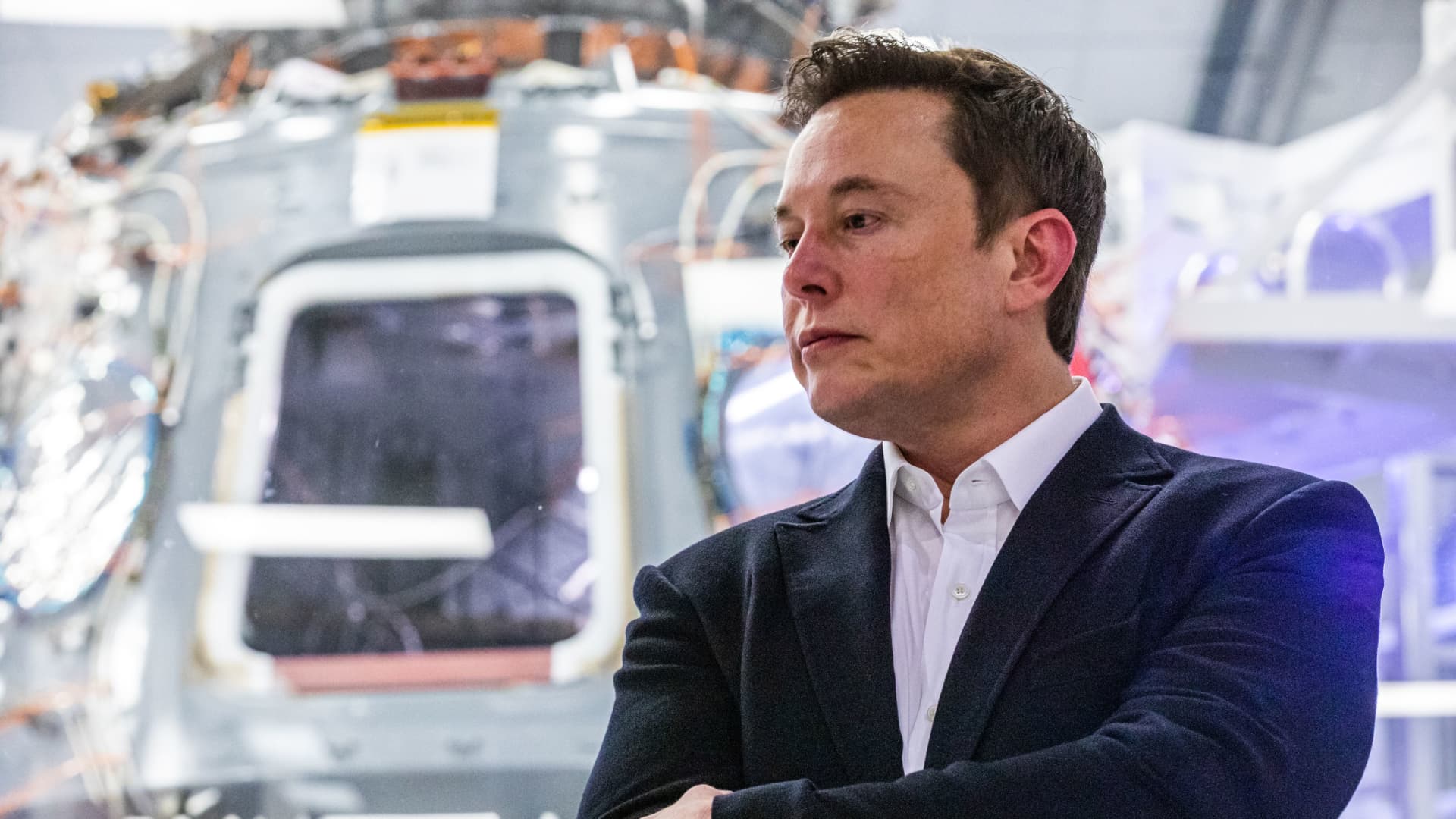
Elon Musk has accused unnamed oligarchs in India of blocking Starlink, SpaceX's satellite internet service, from launching in the country to protect their monopolistic chokehold on consumers. In a post on X on Wednesday, the SpaceX founder called the alleged blocking a crime against the people of India and said Starlink would enable high-speed, affordable internet connectivity for those who cannot afford current prices. He did not name his rivals, telling followers: You can guess who they are.
India's Ministry of Communications pushed back hours later, saying suggestions that its regulatory framework is unfair or discriminatory are baseless and misconceived. The ministry said Starlink and two other licensed satellite operators are all at broadly the same regulatory stage, and that every licensee must demonstrate compliance with security conditions before it can seek spectrum. Starlink received its government license last year but has yet to begin commercial services.
Why Starlink's India launch is still on hold
India's telecom and internet market is dominated by Reliance chairman Mukesh Ambani's Jio and Sunil Mittal's Airtel, which together hold more than 80% market share. Both companies signed agreements with SpaceX last year to distribute Starlink in India, but there has been little visible progress toward a commercial rollout.
Security concerns remain the main hurdle. According to Bloomberg reporting in June, regulators in New Delhi froze approvals over fears that Starlink terminals could be used despite the service not being licensed. Questions also remain about how terminals will be geofenced and whether data will be localized, said Neil Shah, a partner at Counterpoint Research. Shah added that Starlink is likely to get approval around the time Indian companies develop their own satellite internet services, warning that without a level playing field Starlink would dominate the segment.