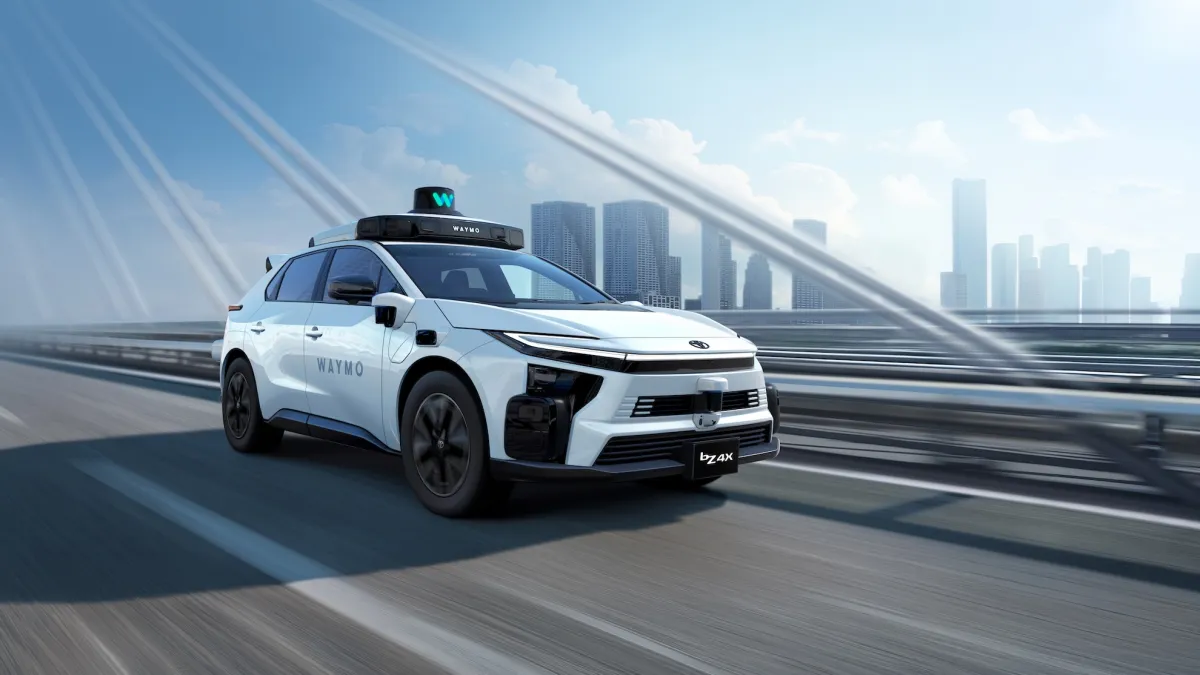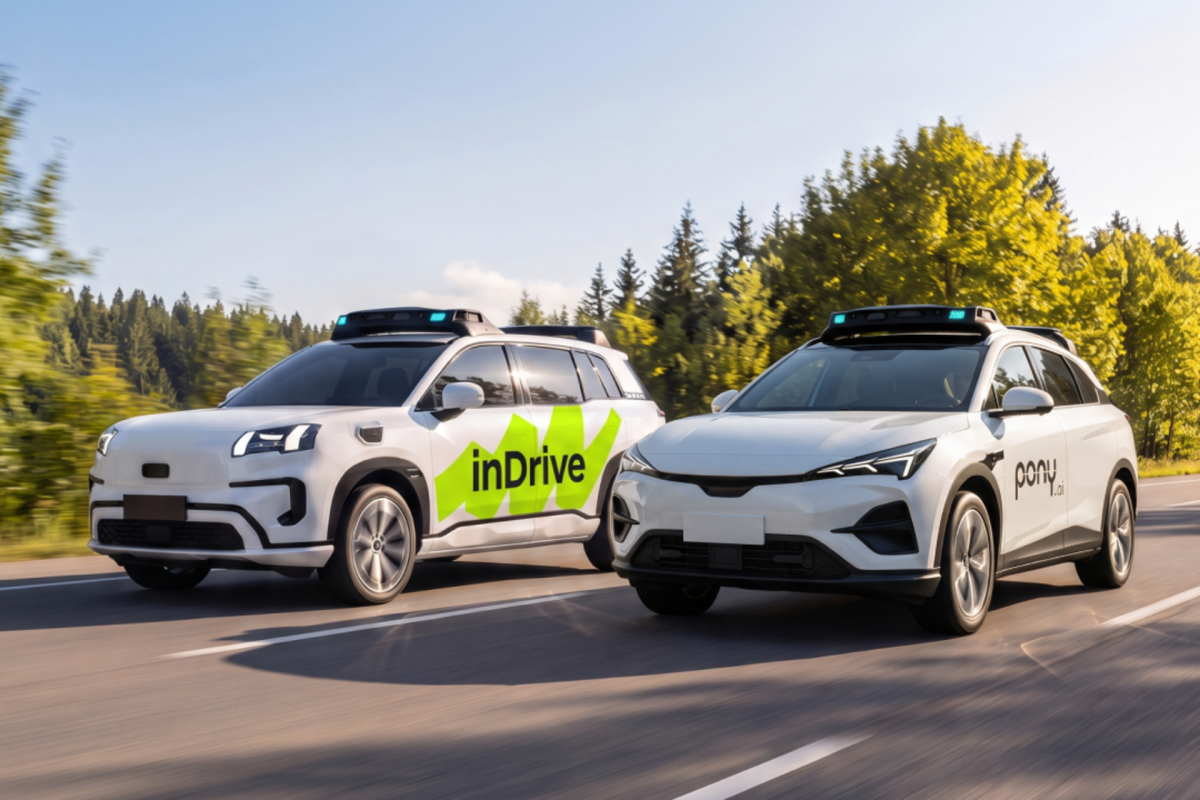
Cities and states across the United States are moving to rein in autonomous vehicles on their own, frustrated by years of federal gridlock on robotaxi regulation, The Verge reports. Local governments generally cannot set vehicle manufacturing standards, but they hold broad authority over street operations — and they are using it.
The result is a growing patchwork of local rules that robotaxi operators like Waymo and Tesla must navigate. The first state law legalizing self-driving cars on public roads passed in Nevada in June 2011, long before such vehicles were actually operating — a sign of how far ahead of the technology the early rulemaking ran. Now the same lawmakers who once welcomed the cars are drafting rules to limit them.
A Patchwork of Robotaxi Rules
Federal regulators have struggled for years to establish national safety standards for autonomous vehicles, and legislation in Congress remains stalled. That paralysis has pushed city councils and state legislatures to act, producing rules that vary from one jurisdiction to the next — an outcome many industry leaders hoped to avoid.
As robotaxis spread to new cities, officials say they are discovering unintended consequences, from stalled vehicles blocking traffic to questions about who controls a driverless car in an emergency. Each new problem tends to produce another local rule.
- Minneapolis is considering an ordinance that would require human monitors inside autonomous vehicles, effectively banning driverless operations.
- The San Diego City Council passed a resolution seeking to block Waymo from the airport and give local agencies direct control over AVs in emergencies.
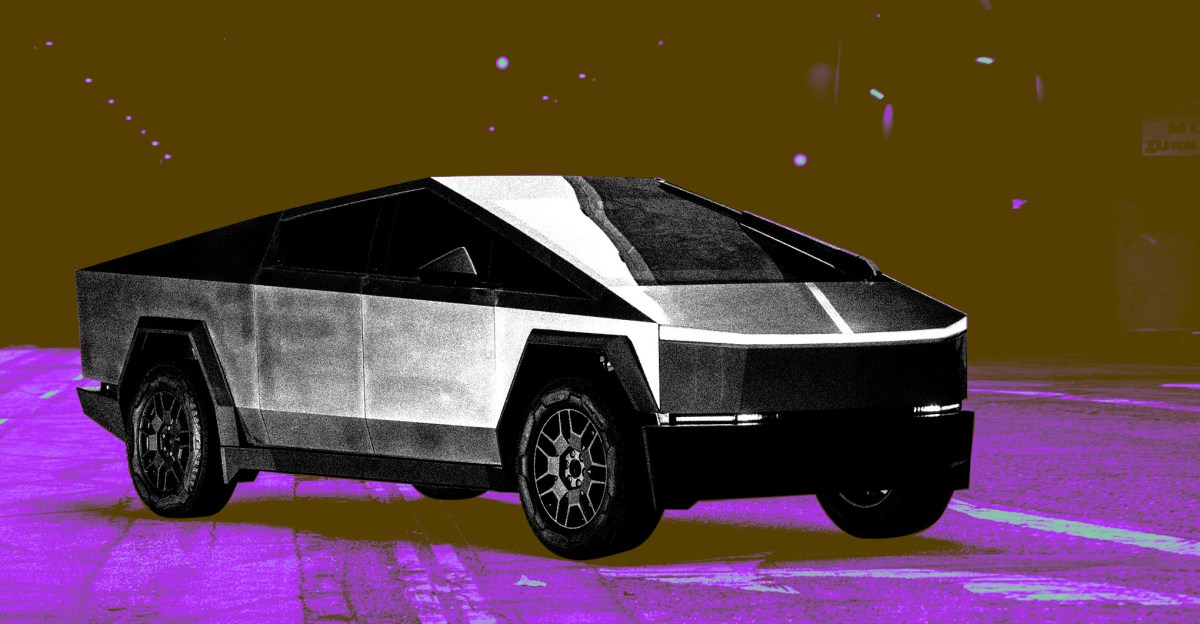
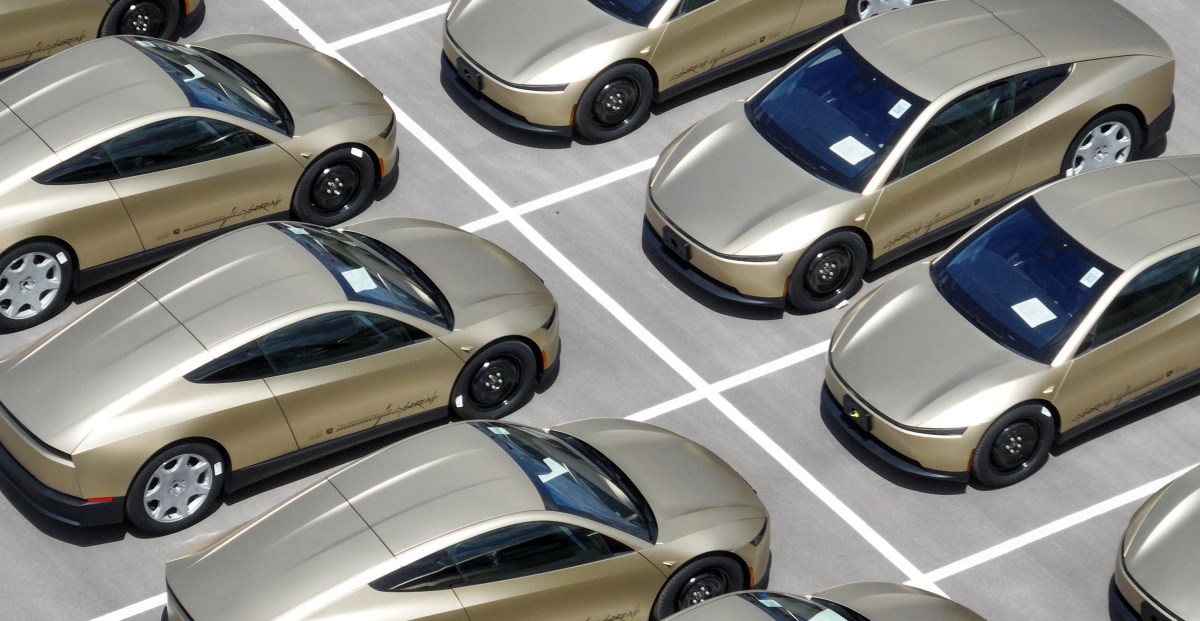
- Austin firefighters have raised concerns about the Tesla Cybercab's lack of steering wheel or pedals, arguing it could be difficult to move a stalled vehicle.