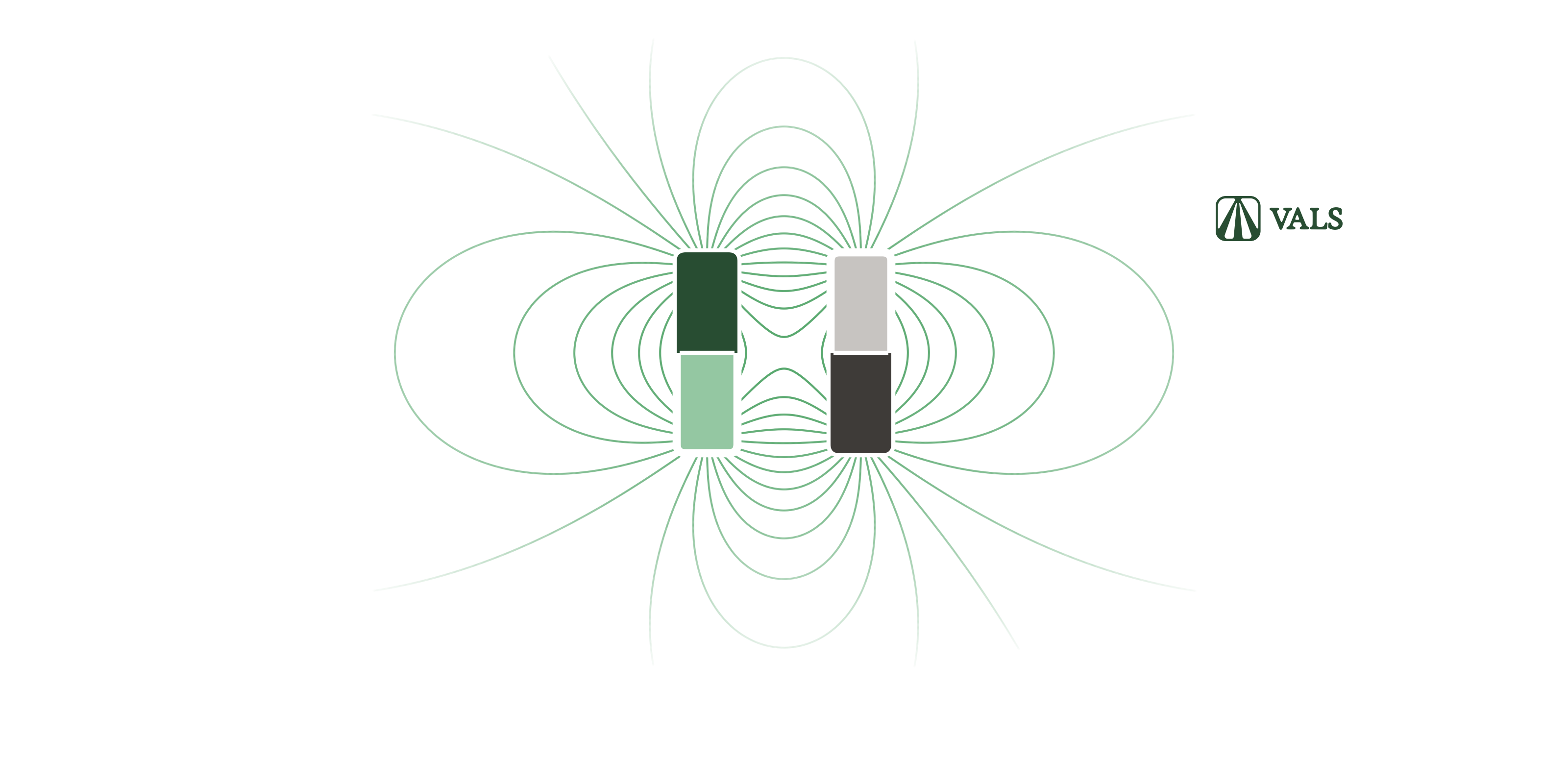
A team of Claude Opus 5.5 agents has identified two candidate magnetic semiconductors that could power next-generation computer memory, according to a report from vals.ai. The agents predicted that both materials behave as Luttinger compensated (LC) magnets — they show zero net magnetism yet still sort electrons by spin, the property that makes data storage possible.
One candidate is a new compound designed by the AI agents themselves. The other is a material first synthesized in 1999. The team says it is publishing the full quantum-mechanical calculations, the code and a list of known caveats alongside the findings. The results remain computational predictions, not yet confirmed by experiment.
What is a Luttinger compensated magnet?
To understand why this matters, it helps to know how magnets store data. In a ferromagnet like a fridge magnet, atomic magnets all point the same way, producing a magnetic field that leaks out and interferes with nearby components. An ordinary antiferromagnet (AF) has neighboring atomic magnets pointing in opposite directions, cancelling out — but it also cannot tell spin-up electrons from spin-down electrons, which makes it useless for reading and writing data.
Luttinger compensated materials sit between these two extremes. The spin-up and spin-down atoms cancel out magnetically, but they sit in different chemical environments, so their spins can still be separated by energy. That gives a 'spin window' — a slice of energy where every available electron state has the same spin. The wider that window relative to room-temperature thermal jiggling (about 26 meV), the better the sorting holds up.
The new compound's synthesis problem
The agents ran density functional theory simulations at two levels of approximation: a faster one (PBE+U) and a slower, usually more accurate one (HSE06). The band gaps and spin windows reported come from the more accurate HSE06 runs.