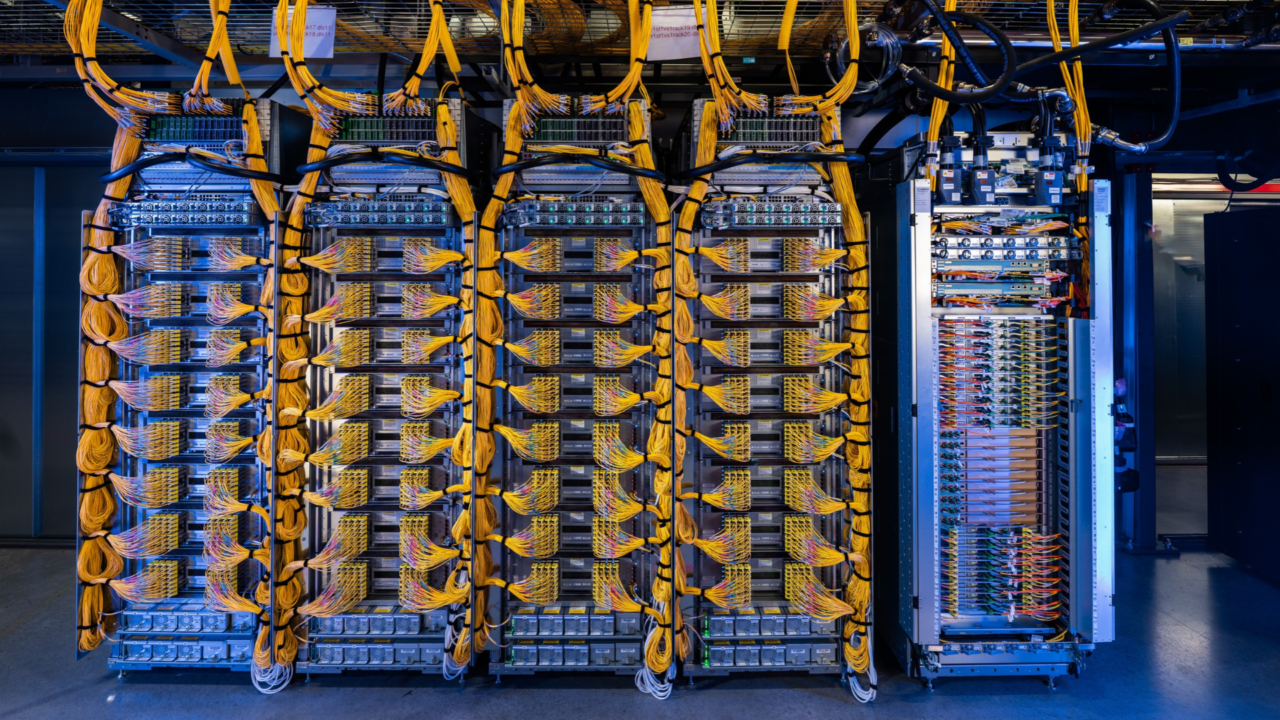
Nvidia has unveiled the DSX POD, a modular, containerized version of its Vera Rubin reference architecture that the company says can cut data center deployment time from roughly six months to 14 days, according to DatacenterDynamics. The announcement targets the long build-out cycles that have become a bottleneck for AI infrastructure as demand for GPU capacity keeps climbing.
The move matters because speed of deployment is now a competitive factor in the AI race. Operators that can stand up Rubin-based capacity in weeks rather than months gain a significant head start on training and inference workloads — and Nvidia tightens its grip on how that infrastructure is designed and shipped.
Nvidia DSX POD: what the modular system changes
The DSX POD takes Nvidia's Vera Rubin reference design — the blueprint partners follow to build compatible systems — and packages it into modular containers. Instead of coordinating a long, multi-stage construction project on site, operators receive pre-integrated units that can be deployed far faster, per the DatacenterDynamics report.
Nvidia did not publish detailed pricing or a full list of partners in the coverage available, so cost and availability for specific markets remain unclear. The core claim is the timeline: six months down to 14 days.
Vera Rubin momentum beyond the container
The DSX POD lands alongside a broader Vera Rubin push. Nvidia and Google Cloud announced general availability of Vera Rubin infrastructure, with Google Cloud A5X instances accelerated by Vera Rubin NVL72 systems. General availability of those instances is coming next month, with planned expansion to Europe.
Google Cloud says it plans to scale its Vera Rubin-based infrastructure to as many as 960,000 Rubin GPUs across multiple sites. Ineffable Intelligence, the London company founded by AlphaGo creator David Silver, was the first customer to access A5X, using it for large-scale reinforcement learning. Nvidia says the systems pair Vera CPUs with Rubin GPUs, ConnectX-9 SuperNICs and Google Cloud's fourth-generation liquid cooling.