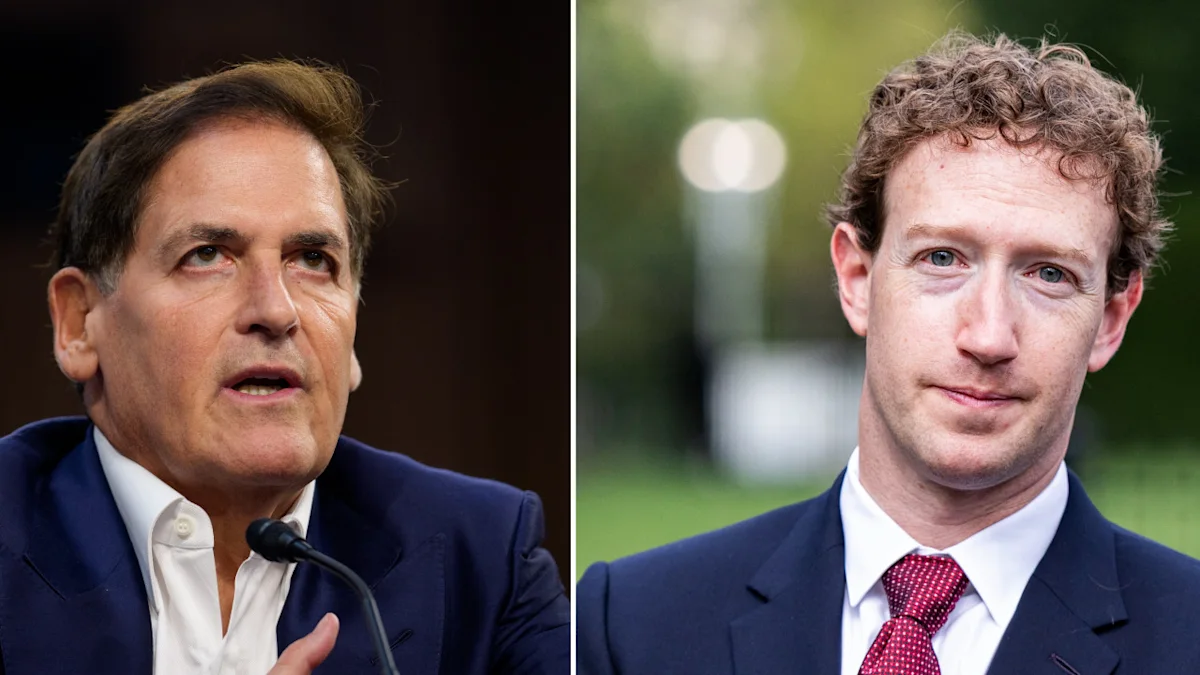
Meta launched its Muse AI agent even as safety concerns were raised internally, after CEO Mark Zuckerberg saw that startup Instinct's similar assistant was gaining traction, according to reporting by Eli Tan of the New York Times, surfaced via Techmeme. The decision puts Meta's consumer push into AI agents directly against the smaller company that helped prove the category's appeal.
The timing matters because Muse followed Instinct into a market the startup had opened with an unusual, invite-only release in August. Within months, Meta's Muse and OpenAI's Dots — both built by far more powerful companies — were competing for the same everyday-assistant use case.
Instinct, Muse and Dots: the AI agent race
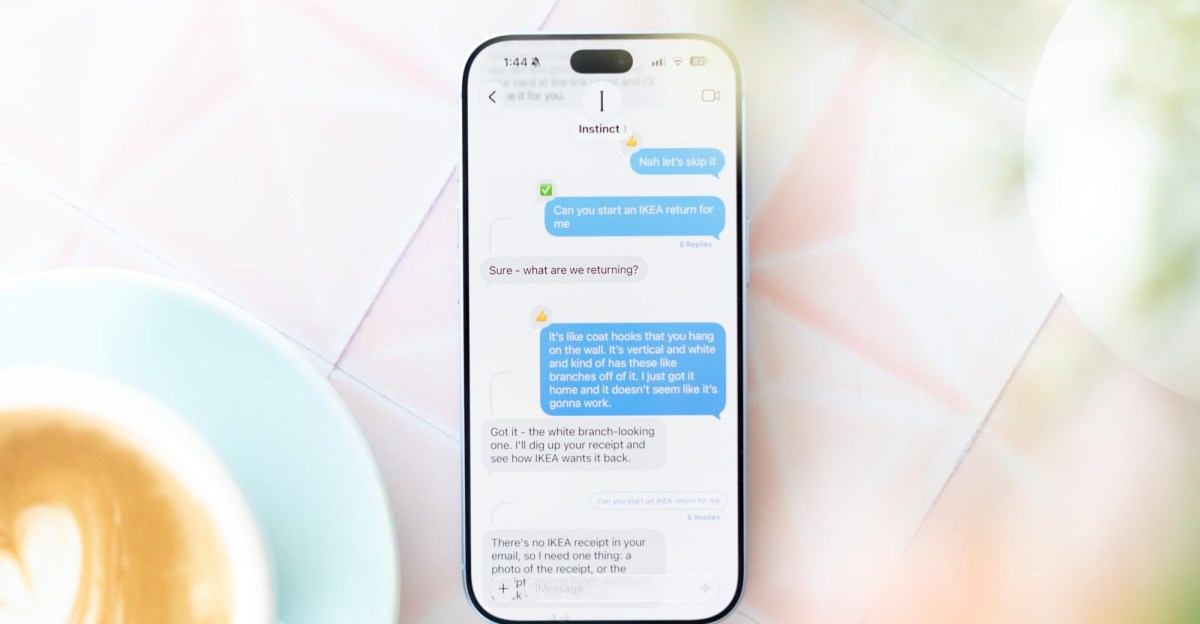
Instinct launched without marketing or a traditional app, relying on an invite list and a waitlist. Its agent works over text messages, including iMessage, WhatsApp and email, and can handle chores such as booking DMV appointments or sending follow-up emails.
The Verge tested Instinct against Meta's Muse and OpenAI's Dots and found it held its own, handling online tasks about as well as the technology allows today. Its founder, Noah Shinn, a former early employee at startup Sierra, told The Verge he is unfazed by the bigger competitors, saying Instinct has been solely focused on building a personal assistant for everyday life.
The pressure is real nonetheless. Meta and OpenAI build AI products for a wide range of customers, while Instinct remains a single-purpose startup. The Verge notes it was valued at $10 billion in late September, even after Muse arrived, and that there is no app and no monthly subscription fee for now — access comes through an invitation from a current user or approval from a waitlist.
- Instinct launched in August with an invite-only, no-marketing approach and no traditional app