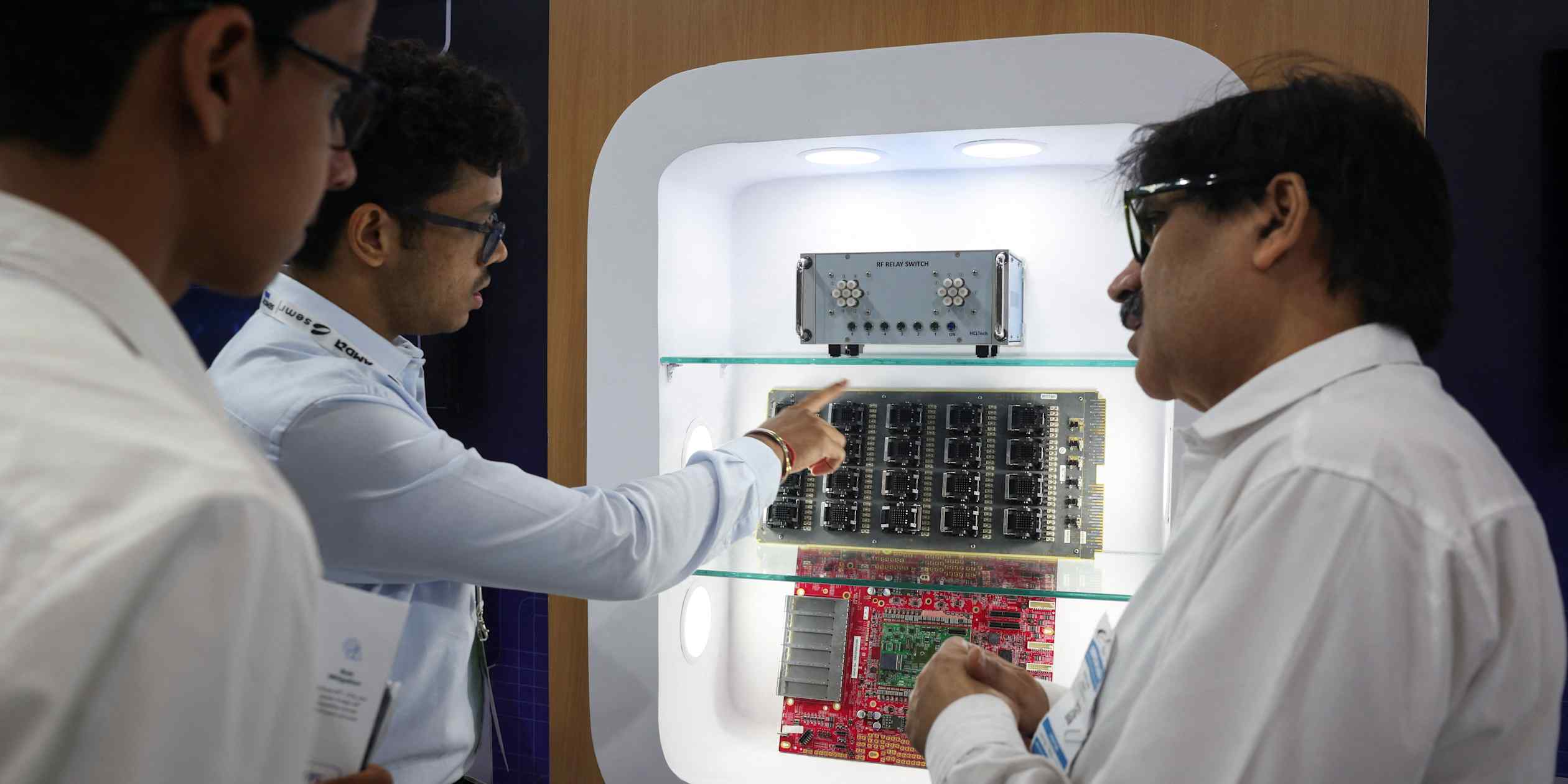
India's chip design startups are approaching commercial production, supported by government programs, but they still face major obstacles before their chips reach the market, according to a report by Ananta Agarwal in Nikkei Asia, flagged by Techmeme. The main problems are low order volumes, high fabrication costs and supply chain bottlenecks.
The hurdle is not design capability but commercialization: producing semiconductors at the volume needed to make them competitively priced. Capital constraints and long development cycles make that final step the hardest one, the report says.
Why India's chip design startups struggle to commercialize
Designing a semiconductor is only part of the journey. Turning that design into a sellable product requires fabrication, packaging and testing at scale, and those steps carry fixed costs that small companies struggle to absorb.
The Nikkei Asia report notes that low order volumes directly affect price competitiveness. Without large orders, Indian startups cannot negotiate the same manufacturing rates as bigger global chip companies, which makes their products harder to sell.
Supply chain bottlenecks add another layer of difficulty. Access to foundry capacity, components and logistics is not guaranteed for young companies, especially when larger customers book capacity first.
- Low order volumes: startups cannot place large enough orders to lower unit costs.
- High fabrication costs: outsourcing chip manufacturing remains expensive for small players.
- Supply chain bottlenecks: access to components and manufacturing capacity is limited.