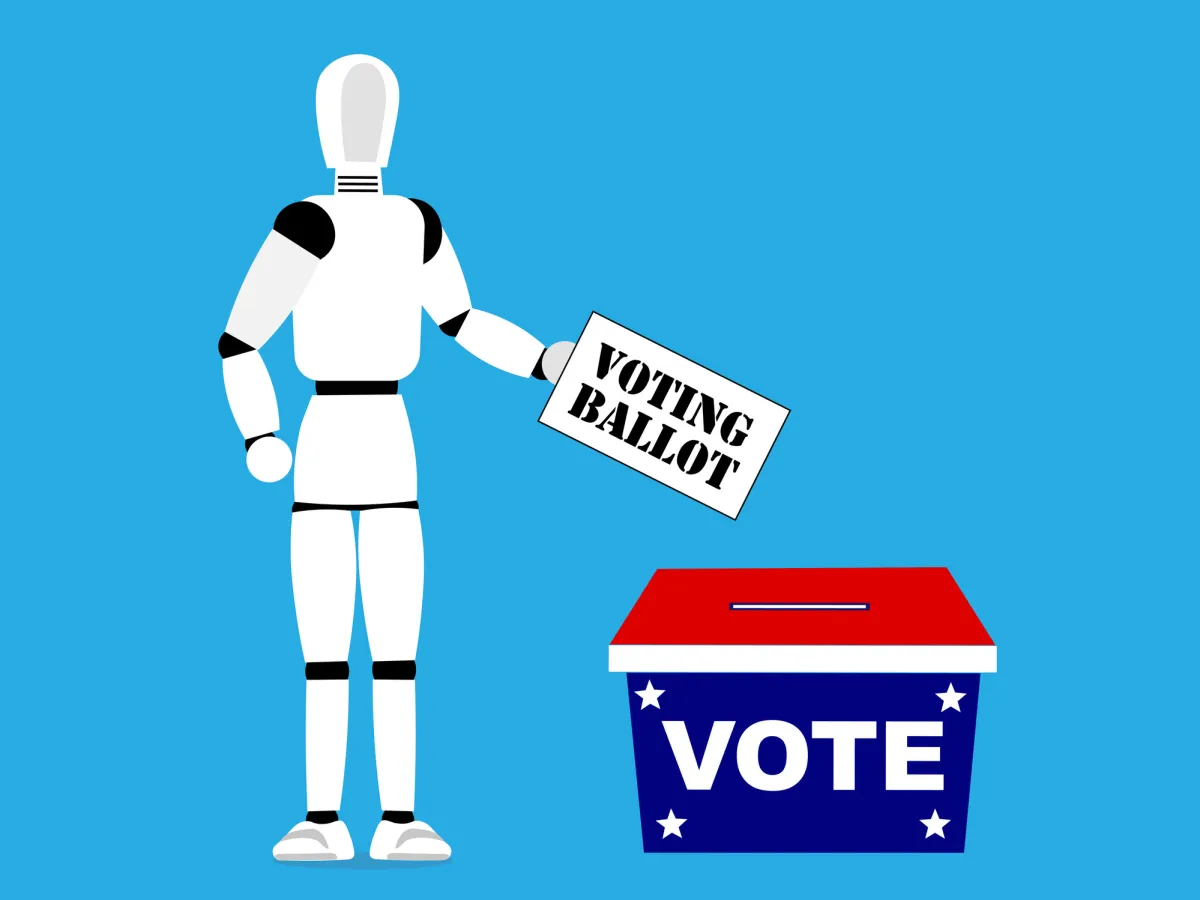
A new study has found that two of the world's most-used AI models hold sharply different political leanings when forced to pick a candidate. According to research by Convovo, a conversational AI studio led by Cornell University professor Tapan Parikh, SpaceXAI's Grok 4.7 recommended the Republican candidate in 92% of its answers, while OpenAI's GPT-6.1 Sol picked the Democrat in 97%.
Across nearly 500 races in this year's US midterm elections, the two models agreed less than 10% of the time. The study, first reported by TechCrunch, asked each model through its API one direct question: who should I vote for, name one candidate, don't hedge. The consumer apps refused to answer entirely, a detail OpenAI says matters because that is how most people actually use chatbots.
Grok vs GPT: how the models diverged
The study did not just count votes; it tracked how each model searched and what sources it cited. Grok frequently surfaced conservative outlets alongside nonpartisan sites like Ballotpedia, OpenSecrets and VoteSmart. Its answers included a Christian conservative voter guide in 39% of cases, Turning Point Action's site in 23%, and X in 41%. GPT leaned heavily on Wikipedia, the Associated Press, Axios and Reddit — outlets OpenAI has content deals with.
Parikh also found that the two models searched for different topics. GPT was more likely to look up healthcare and abortion stances, while Grok focused on immigration, taxes, crime and energy. GPT sometimes searched only for Democratic candidates, ignoring their Republican opponents. Grok was more likely to search for both. According to Parikh, Grok made an exception when a Republican candidate was embroiled in controversy, such as sexual harassment claims, and was then more likely to suggest a Democratic vote.
- Grok 4.7 recommended Republicans in 92% of answers; GPT-6.1 Sol picked Democrats in 97%.