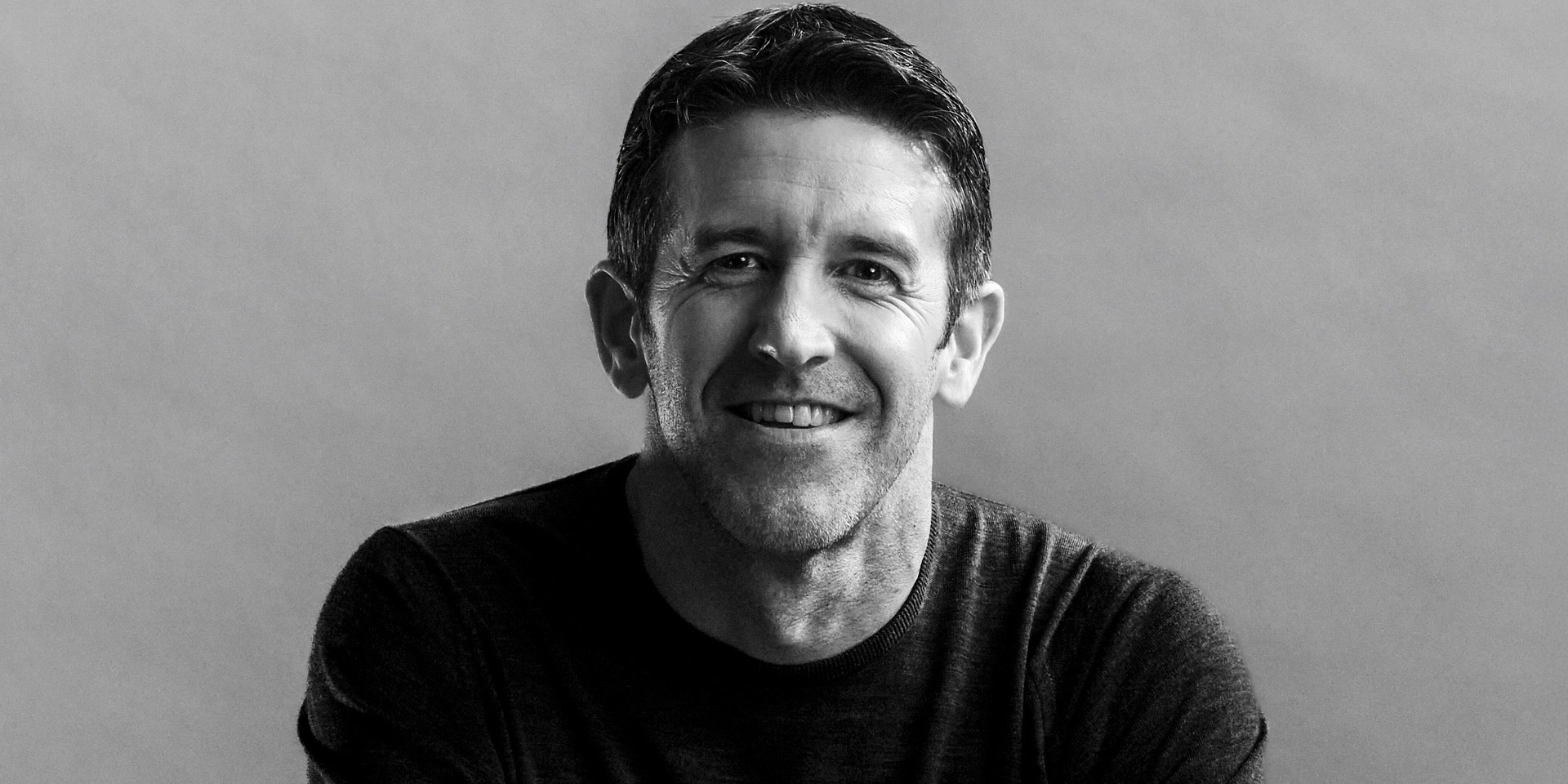
Apple's hardware chief John Ternus has described the global memory shortage as "a crisis", warning that it threatens the components behind the iPhone and Mac. In an interview with TIME, reported by Techmeme, Ternus said "all options should be on the table" when asked how Apple plans to respond.
The comments land as Apple navigates tight supply of memory chips, the parts that store data and keep devices running smoothly. For a company that ships hundreds of millions of phones and computers a year, even a modest shortage can ripple into pricing and availability for buyers far beyond Cupertino.
Ternus on the memory shortage and Apple's options
Ternus did not spell out specific measures, but his framing of the situation as a crisis suggests Apple is weighing significant moves. He also pointed to Tim Cook, saying the former CEO "has great relationships" — a nod to the supplier and partner network Cook built over years running Apple's operations.
The interview, conducted by Andrew R. Chow for TIME, is part of the magazine's Best Inventions of 2026 coverage, which features Ternus engineering what TIME calls a new era for Apple. The memory remarks add a rare public acknowledgment of pressure on the company's supply chain.
Why the memory shortage matters for iPhone and Mac
Memory is a core input for every iPhone, iPad and Mac Apple sells. When supply tightens, manufacturers typically face higher component costs and longer lead times, which can translate into firmer prices or delayed launches.
The shortage is not unique to Apple: the broader tech industry has been competing for the same constrained memory output. But Apple's scale makes its response a bellwether for the wider market, and Ternus's language indicates the company is treating it as more than a routine procurement issue.
Ternus took over as CEO on Sept. 1, succeeding Tim Cook, after spending years as Apple's senior hardware executive. The interview also touches on the newly unveiled foldable iPhone Duo, which starts at $1,999.